

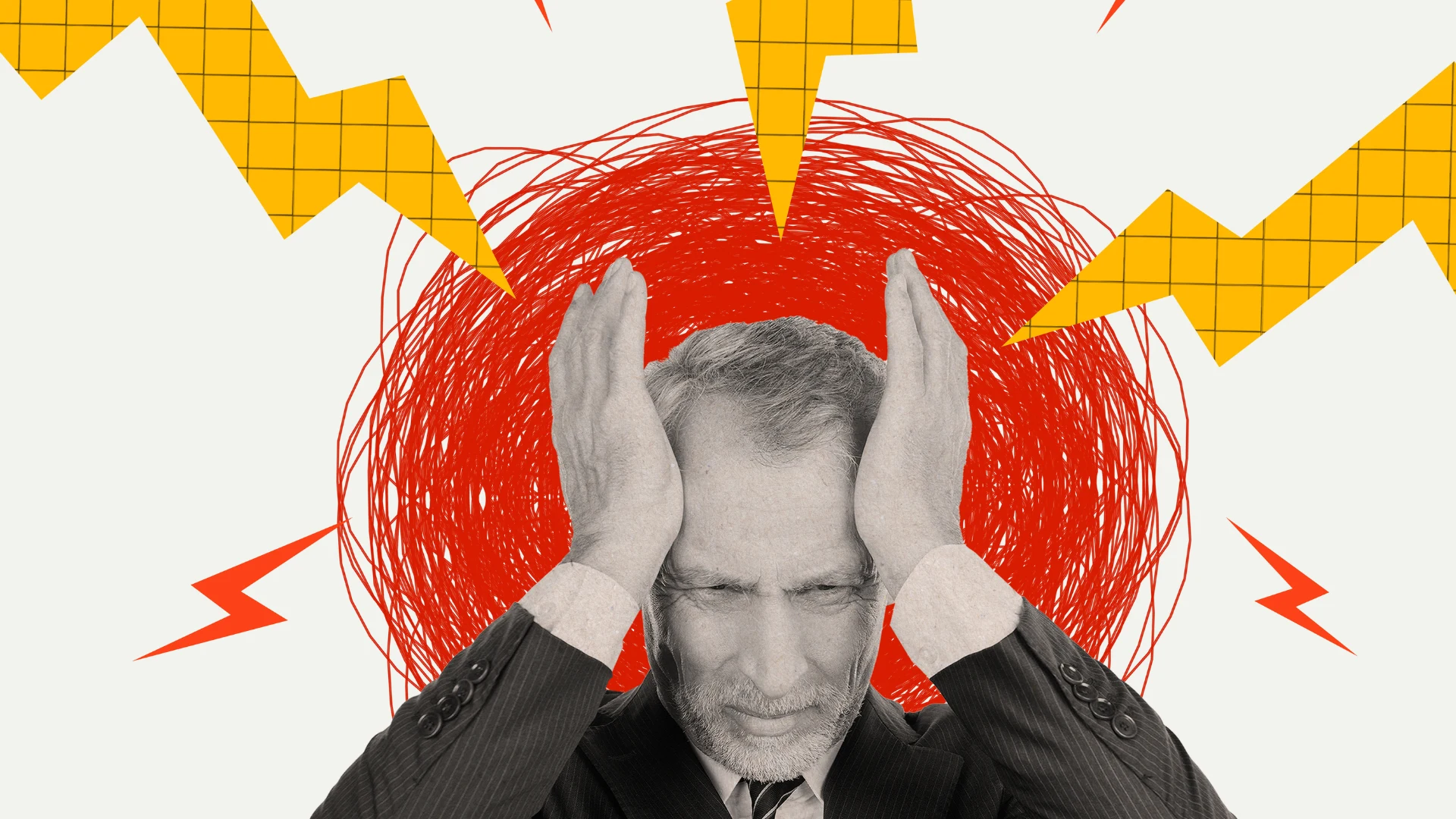

The Capacity Illusion:
Why High Performers Burn Out
Why your best people are the most likely to burn out – and how to recognize it before it impacts your organization.
Your highest performers are not burning out because they lack resilience. They are burning out because you built a system that cannot distinguish between capacity and overextension – and by the time the difference becomes visible, the damage is already done.
High performers do not show the early signs. They do not miss deadlines or raise complaints. They absorb the complexity, cover the gaps, stabilize the conflict, and keep delivering. From the outside, everything looks stable. Leadership reads that stability as a signal that the system is fine. It is not. It is a signal that the system’s most capable people are compensating for structural imbalances that the metrics were never designed to catch.
This is the capacity illusion: the belief that because performance remains high, the system itself is sound. It is one of the most expensive mistakes a healthcare organization can make. The cost shows up when those individuals finally pull back – not dramatically, but through the gradual narrowing of engagement, the disappearance of discretionary effort, and eventually the departure that everyone describes as surprising even though the signals were present for months.
Burnout in elite teams is a design failure, not a motivation failure. The fix is not a wellness program. It is load redistribution, workload visibility at the leadership level, and the discipline to measure pressure accumulation rather than just output. This article lays out what that looks like in practice and why the organizations getting it right are treating it as an operational priority, not an HR initiative.
